Pileh Lagoon, Phi Phi: The Complete Visitor Guide
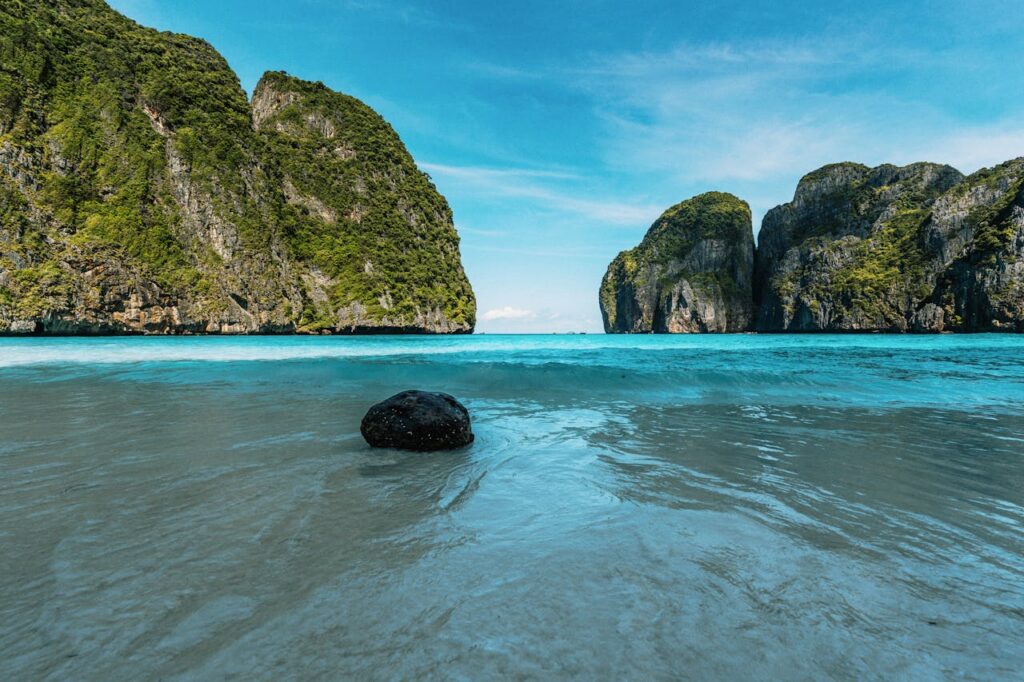
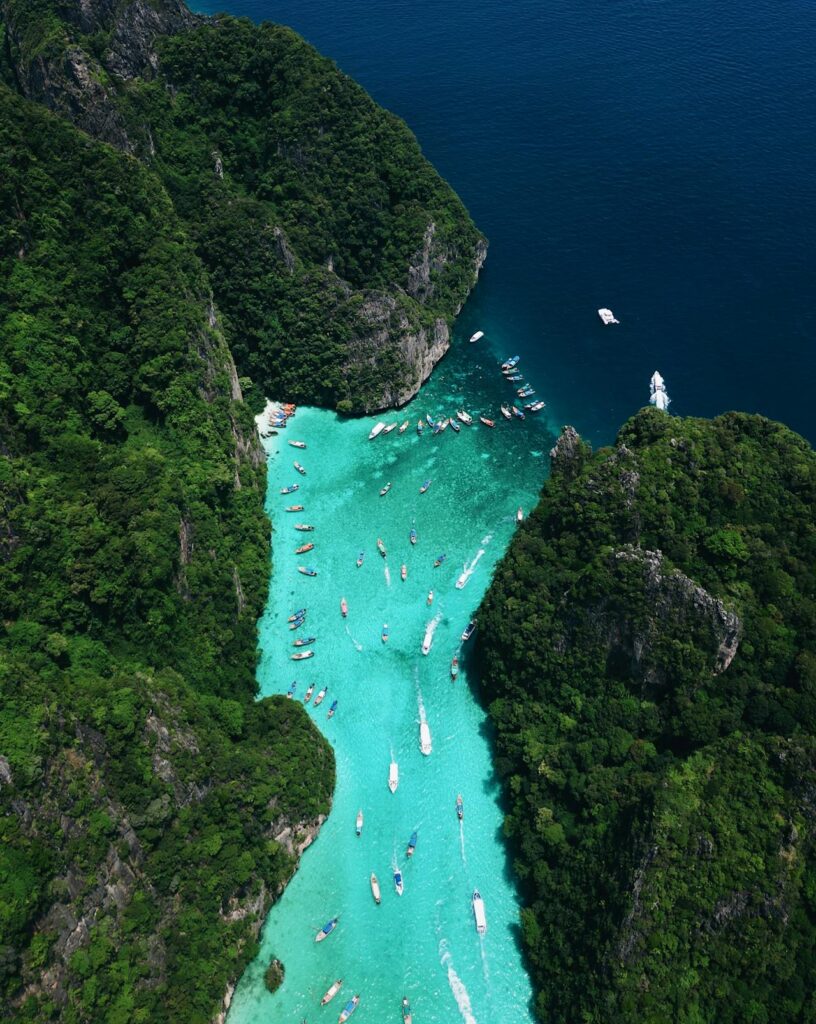
Pileh Lagoon is one of Southeast Asia’s most breathtaking natural spectacles — a sheltered emerald cove carved into the limestone cliffs of Phi Phi Leh, accessible only by boat and protected within the Hat Noppharat Thara–Mu Ko Phi Phi National Park. If you’ve seen photos of impossibly green water framed by sheer white rock walls and wondered where on earth that could be, you’ve probably already been looking at Pileh.
Table of Contents
This guide covers everything real travellers need: how to reach Pileh Lagoon, when to go, what to do once you’re there, costs, crowds, and three things most articles won’t tell you.
See Also: Phi Phi Islands Travel Guide
What Is Pileh Lagoon?
Pileh (also spelled Phieh or Pi Leh) is a semi-enclosed saltwater lagoon on the eastern side of Phi Phi Leh — the smaller, uninhabited island of the Phi Phi archipelago, about 45 km from Krabi and 48 km from Phuket. The lagoon sits at roughly 7.67°N, 98.77°E.
The water in Pileh appears an almost unreal shade of jade-green because the surrounding limestone reflects light into the shallow basin, which reaches a maximum depth of about 6–8 metres. There is no beach here — the cliffs descend straight into the water — so visitors float, snorkel, or kayak rather than sunbathe. That’s part of what makes it special.
Pileh is distinct from the more famous Maya Bay (also on Phi Phi Leh). Where Maya Bay has a sandy beach and tends to draw bigger crowds, Pileh is quieter, more dramatic in scale, and feels wilder.
| Quick Facts |
|---|
| Island: Phi Phi Leh | Lagoon type: Semi-enclosed saltwater | Access: Boat only | Park fee: 400 THB (foreigners) | Best months: November–April | Snorkeling depth: 2–8 m |
How to Get to Pileh Lagoon
You cannot walk to Pileh Lagoon. The only access is by boat from Phi Phi Don or directly from Krabi or Phuket on a day-trip speedboat. Here are your main options:
Option 1: Longtail Boat from Phi Phi Don (Ton Sai Pier)
This is the most flexible and affordable route if you’re already staying on Phi Phi Don. Longtail boats line up at Ton Sai Pier throughout the morning. A private charter to Pileh and back typically costs 1,500–2,000 THB for the whole boat (capacity around 6–8 people) and takes roughly 20–30 minutes each way. Ask the driver to wait while you swim — most charge an hourly rate of around 300–500 THB for waiting time.
Tip: Negotiate the full itinerary before boarding. Confirm whether the park entry fee (400 THB per foreigner) is included in the quoted price — it usually is not.
Option 2: Join a Phi Phi Island Tour
Most full-day speedboat tours out of Phi Phi Don, Krabi, or Phuket include Pileh Lagoon as one stop among 4–6 locations (typically Maya Bay, Viking Cave, Monkey Beach, and snorkelling spots). These tours cost 1,200–2,500 THB per person depending on the departure point and vessel type. They’re convenient but allow only 20–40 minutes at Pileh — rarely enough time if you want to snorkel properly.
Option 3: Private Speedboat Charter
For groups of 6–12, chartering a private speedboat gives you control over how long you stay and lets you arrive early before tour groups. Charters from Phi Phi Don run 6,000–12,000 THB per boat for a half-day. From Phuket or Krabi, expect 12,000–22,000 THB for a full-day private charter.
See Also: Getting to Phi Phi Islands
Best Time to Visit Pileh Lagoon
Best Season: November to April
The Andaman Sea’s dry season brings calm waters, clear skies, and underwater visibility of up to 15 metres in the lagoon. January and February are the sweet spot — seas are glassy, rainfall is minimal, and the limestone walls photograph beautifully in the strong midday light.
Shoulder Season: May and October
These transitional months can still offer good conditions, though seas can turn choppy on short notice. Check forecasts daily. Many boat operators will cancel trips if swells exceed 1.5 metres.
Wet Season: June to September
Most boat operators suspend Phi Phi Leh day trips during the monsoon. Pileh Lagoon is effectively off-limits from mid-May to mid-October in most years. Some private charters run in calm spells within the wet season, but conditions are unpredictable.
| Time of Day Matters |
|---|
| Arrive at Pileh before 10:00 AM or after 2:30 PM. Tour group boats arrive in clusters between 10:30 AM and 2:00 PM, making the lagoon significantly more crowded. Early arrivals often have the cove almost entirely to themselves. |
What to Do at Pileh Lagoon
Snorkelling
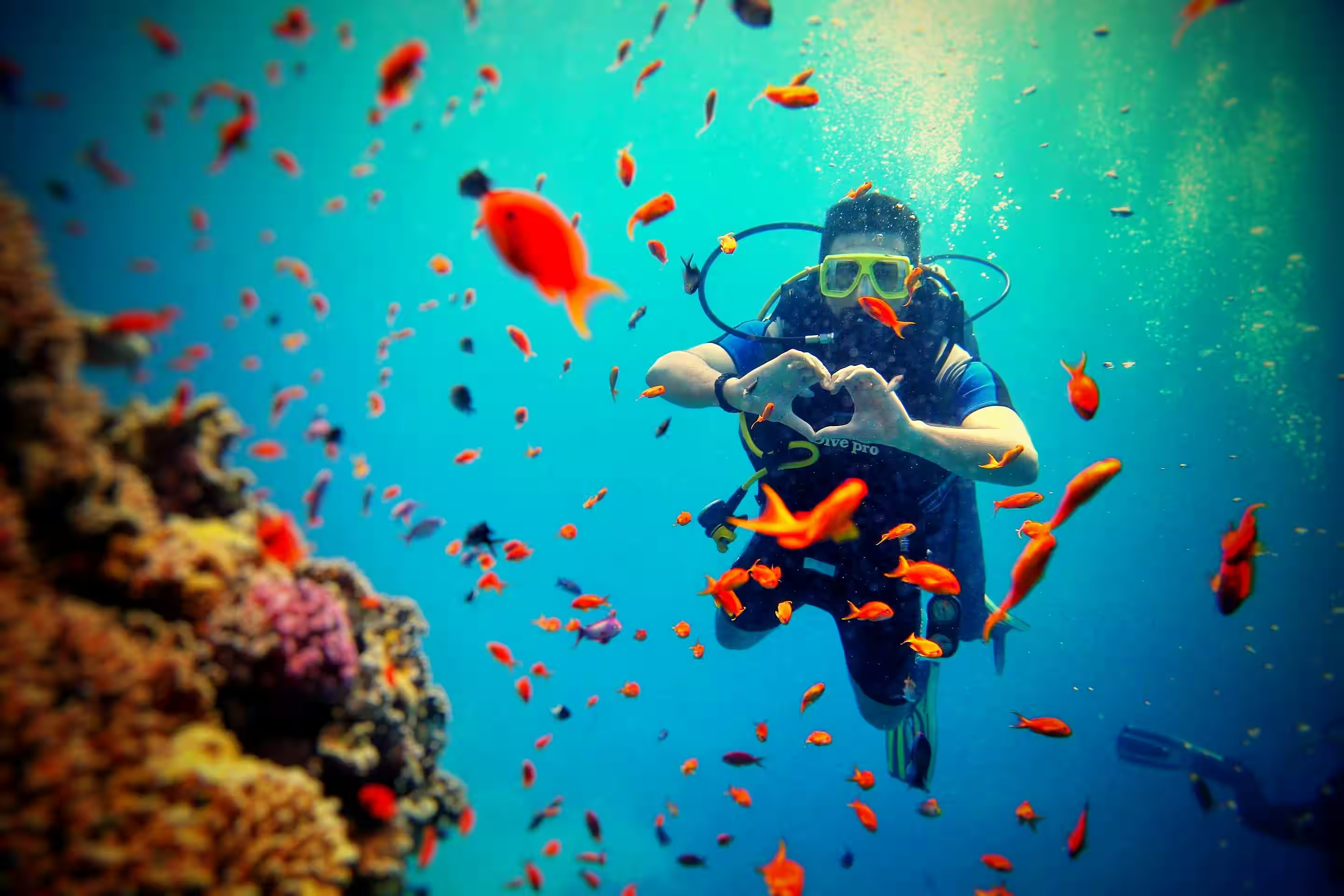
Snorkelling is the main activity. The shallow waters near the limestone walls host trevally, parrotfish, and occasional reef sharks patrolling the perimeter. Visibility is best in the morning before boat traffic stirs up sediment. Bring your own mask and fins if possible — rental gear from longtail operators is often ill-fitting.
Stay clear of boat propellers. There is no designated swimming zone, so be aware of vessel movement at all times. Wear a rash guard — reflected sunlight in the enclosed lagoon is intense.
Kayaking
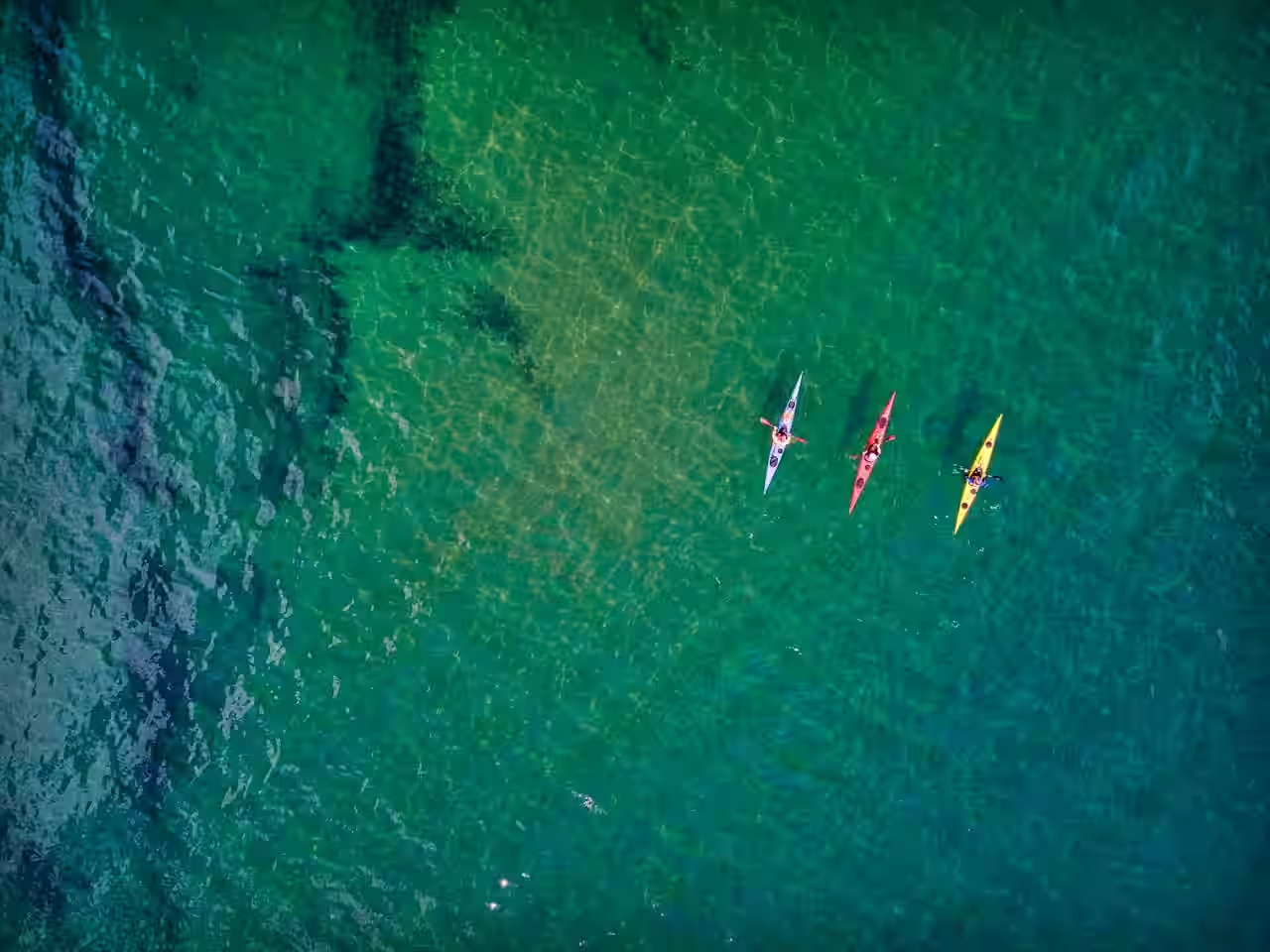
Several tour operators include a single or double sea kayak on their speedboats. Paddling the lagoon’s perimeter and exploring the narrow channel that connects Pileh to the open sea is one of the best ways to experience the scale of the cliffs. A circuit takes about 30–45 minutes at a relaxed pace.
Photography
Pileh’s most photogenic angle is from water level, looking toward the narrow entrance channel with cliffs on both sides. A wide-angle lens (or your phone’s ultra-wide mode) captures the full scale. Drone use is prohibited within the national park — rangers do patrol and will confiscate equipment.
Simply Floating and Taking It In
Don’t underestimate doing nothing. The acoustics inside the lagoon — the echo of water, the cries of swallows nesting in the cliff faces — are extraordinary. Many visitors say this was the highlight of their Phi Phi trip.
Costs and Fees at a Glance
| Item | Approximate Cost (THB) |
|---|---|
| National Park Entry Fee (foreigner) | 400 per person |
| National Park Entry Fee (Thai national) | 40 per person |
| Longtail boat (private charter, return) | 1,500–2,000 per boat |
| Group tour (Phi Phi Don departure) | 1,200–2,000 per person |
| Group tour (Phuket/Krabi departure) | 1,800–2,500 per person |
| Private speedboat half-day charter | 6,000–12,000 per boat |
| Snorkel mask rental (if available) | 100–200 |
Three Unique Insights Most Guides Won’t Tell You
1. The Lagoon Has a Hidden Second Chamber
Most visitors stay in the main basin of Pileh. But a shallow passage at the southern end (navigable by kayak at normal tide levels) leads to a smaller, even quieter enclosure. Local longtail drivers know it — ask them to take you through. The second chamber is often completely deserted.
2. Water Temperature Stratification Can Surprise Snorkellers
Because Pileh is semi-enclosed, fresh rainwater from the cliffs sits above the denser saltwater during and after rain. If you snorkel shortly after heavy rain, you may encounter a thermocline at about 1.5 metres — the water suddenly turns noticeably colder and visibility drops. This is normal and harmless but can be startling. Avoid snorkelling immediately after rain for the best experience.
3. The Swallow Nests on the Walls Are Protected and Valuable
The cliff faces around Pileh (and nearby Viking Cave) are home to Aerodramus fuciphagus, the edible-nest swiftlet. Their nests are harvested for bird’s nest soup and are worth thousands of dollars per kilogram. Harvesting is licensed and controlled by the national park authority. Touching or disturbing nests carries heavy fines. Admire them from the water — they’re one of the reasons rangers patrol this area so actively.
Practical Planning Checklist
- Book boat transport the evening before, morning demand is high in peak season
- Confirm whether the national park fee is included in your tour price
- Pack reef-safe sunscreen as standard sunscreen is banned in the national park
- Bring cash for the park fee; card readers are not available at the Phi Phi Leh checkpoint
- Wear a hat and rash guard, the lagoon amplifies UV exposure
- Take all rubbish back to Phi Phi Don, there are no bins at Pileh
- Respect the no-anchoring buoy lines; boats must use designated moorings
Sample Itinerary: Pileh Lagoon Day Trip from Phi Phi Don
06:30 — Early breakfast at Ton Sai village
07:15 — Meet longtail driver at Ton Sai Pier; confirm full itinerary and park fees
07:30 — Depart for Phi Phi Leh (20–25 min)
07:55 — Arrive Pileh Lagoon; pay park fee at patrol boat (or confirm pre-paid)
08:00–09:30 — Snorkel, kayak, and explore the second chamber before tour groups arrive
09:45 — Short detour to Viking Cave viewpoint (driver stays on boat)
10:15 — Return to Phi Phi Don via Monkey Beach (optional quick stop)
11:00 — Back at Ton Sai Pier; rest of day free
See Also: Map of Phi Phi
Where to Stay Near Pileh Lagoon
There is no accommodation on Phi Phi Leh — the island is entirely within the national park. The closest base is Phi Phi Don, a 20–25 minute boat ride from Pileh. Staying on the eastern side of Phi Phi Don (Loh Dalum Bay or Ton Sai) puts you closest to the departure piers.
See Also: Hotels in Ko Phi Phi
Budget bungalows on Phi Phi Don start around 600–900 THB per night. Mid-range resorts run 2,000–5,000 THB. For those wanting to avoid the crowds entirely, a few liveaboard dive operations out of Phuket pass Phi Phi Leh overnight, allowing a dawn visit to Pileh before day-trippers arrive.
Ready to Visit Pileh Lagoon?
| Plan Your Trip |
|---|
| Browse Phi Phi island tours and speedboat charters at reputable booking platforms (suggest: Viator, Klook, or local operators at Ton Sai Pier). Find hotels on Phi Phi Don from budget bungalows to beachfront resorts. Download an offline map of Phi Phi before you go as mobile signal around Phi Phi Leh is unreliable. |
Frequently Asked Questions
Is Pileh Lagoon open to the public?
Yes, but access requires a national park entry ticket (400 THB for foreigners, 40 THB for Thai nationals) and must be by boat. There is no walking access.
Can I swim in Pileh Lagoon?
Yes. Swimming and snorkelling are the primary activities. The water is generally calm and safe for competent swimmers. Life jackets are available on most tour boats and are advisable for non-swimmers.
How does Pileh Lagoon compare to Maya Bay?
Maya Bay has a beach; Pileh does not. Pileh tends to be slightly quieter and many visitors find the enclosed limestone scenery more dramatic. Both are on Phi Phi Leh and are often combined in the same tour.
Are drones allowed at Pileh Lagoon?
No. Drone use is prohibited within the Hat Noppharat Thara–Mu Ko Phi Phi National Park. Rangers actively patrol and will confiscate equipment.
What marine life can I see while snorkelling in Pileh?
Parrotfish, surgeonfish, trevally, and small reef sharks are commonly spotted along the walls. Clownfish and sea anemones are visible in shallower sections. Visibility is typically 8–15 metres in dry season.
Is Pileh Lagoon accessible in the rainy season?
Generally not. Most boat operators suspend service from mid-May to mid-October due to monsoon swells. Check conditions locally if you’re travelling during shoulder months (May or October).
How early should I arrive at Pileh Lagoon to avoid crowds?
Aim to arrive before 09:30 AM. The window between 07:30 and 09:30 AM is consistently the quietest period. Tour groups from Phuket and Krabi typically arrive from 10:30 AM onward.